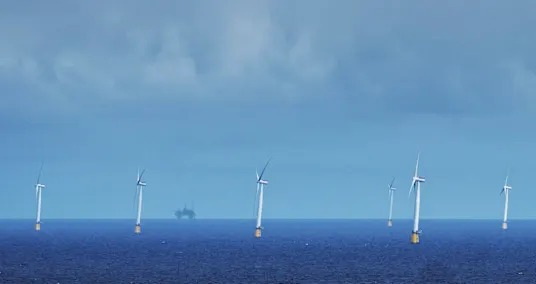
The deepening energy crisis triggered by the US-Israel war with Iran has thrust energy security back onto the political stage in European countries — and widened fault lines along with it.
In the UK — which is particularly vulnerable because of its imports of gas, and which suffered hefty price rises following Russia’s 2022 invasion of Ukraine — attention this time has shifted from diversifying supply away from single countries to a broader push to move beyond fossil fuels, said Annabel Rice, a senior political adviser at the Green Alliance, a London-based think tank. Or at least, that’s the takeaway the governing Labour Party seems to have settled on, casting renewables as more insulated to oil price shocks.
France is similarly leaning towards reducing reliance on hydrocarbons. The country’s prime minister has tasked his cabinet with identifying priority actions to electrify the economy. Others in Europe, such as Italy, have so far opted to double down on fossil fuels to cushion the blow from surging electricity bills. The UK’s opposition Conservative Party is pitching a similar idea, launching a “Get Britain Drilling” campaign this week, pressing to reverse the country’s ban on North Sea oil and gas licenses and claiming it would cut bills significantly.

LATEST POSTS
- 1
 Geminid meteors streak under green sky | Space photo of the day for Dec. 19, 2025
 - 2AI is making spacecraft propulsion more efficient – and could even lead to nuclear-powered rockets
- 3Step by step instructions to Keep up with Great Hand Cleanliness Before Handshakes
- 4Pick Your #1 Japanese Food
- 5Most loved Specially prepared Espresso Mix: Which Meal Do You Adore the Most?


- Which game do you cherish observing live? Vote!
- The most effective method to Pick the Right Material Organization: Fundamental Tips
- UAE-backed Yemeni Southern Transitional Council denies disbandment rumors
- Foot fossil discovery could reshape human evolutionary history
- 5 Destinations Where Airfare Is Dropping The Most For Spring 2026, Per Dollar Flight Club Analysis
- 5 Fundamental Ways to employ a Criminal Legal counselor
- Hilary Duff releases 'Mature,' her 1st song in 10 years
- This Flashy Old-School Design Trend From Italy Still Has A Place In Modern Kitchens
- Creative Style: 10 Architects Reclassifying the Business