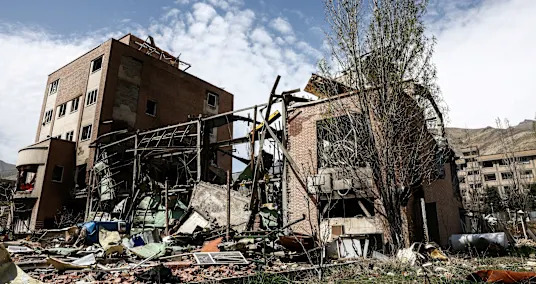
In Tehran, a city of nine million people, schools are closed, businesses are shuttered or struggling, and locals are living without a functioning air-raid warning system or public shelters. In many areas, the first sign of an incoming strike is the explosion itself.
There have been twice as many US and Israeli attacks on Iran compared to the number of Iranian retaliatory strikes since the war began — and the numbers killed in Iran have been orders of magnitude greater than in the neighboring Gulf states. A nationwide internet blackout, now entering its second month, has left civilians unable to access information about safety, shelter, and food and has meant some are unable to work. But while millions have fled Iran’s cities, many more are staying where they are. Some residents are hoping the US and Israeli bombs will cause the regime to collapse; others are left wondering if they are at risk if their neighbors are targeted.
For the many Iranians with ties to Dubai, there are other pressures, with Iranian nationals now barred from entering or transiting through the UAE. Residency permits, even for those with long-term Golden Visas, are reportedly being revoked without notice.

LATEST POSTS


 Everyone knows F1 is for the girls. I wandered into the Las Vegas desert to find out why.
- The most effective method to Pick A Trade-in vehicle Stage
- Figure out How to Clean and Really focus on Your Lab Jewel
- Inside The Design-Forward Wellness Hotel Marking A New Chapter In Medellín
- Huge rotating structure of galaxies and dark matter is detected
- East Germany Somehow Built a Real Sports Car and It Was Wild
- My prescription costs what?! Pharmacists offer tips that could reduce your out-of-pocket drug costs
- 'Wuthering Heights' trailer features Margot Robbie and Jacob Elordi in a steamy forbidden romance
- Lockheed Martin opens new hypersonic weapons facility